Editorial content written for serious handbag buyers
This blog is built to attract overseas buyers researching handbag materials, quality standards, development strategy, private label decision-making, and refined wholesale positioning. Every article is created as a standalone long-form resource designed to move a buyer closer to inquiry.
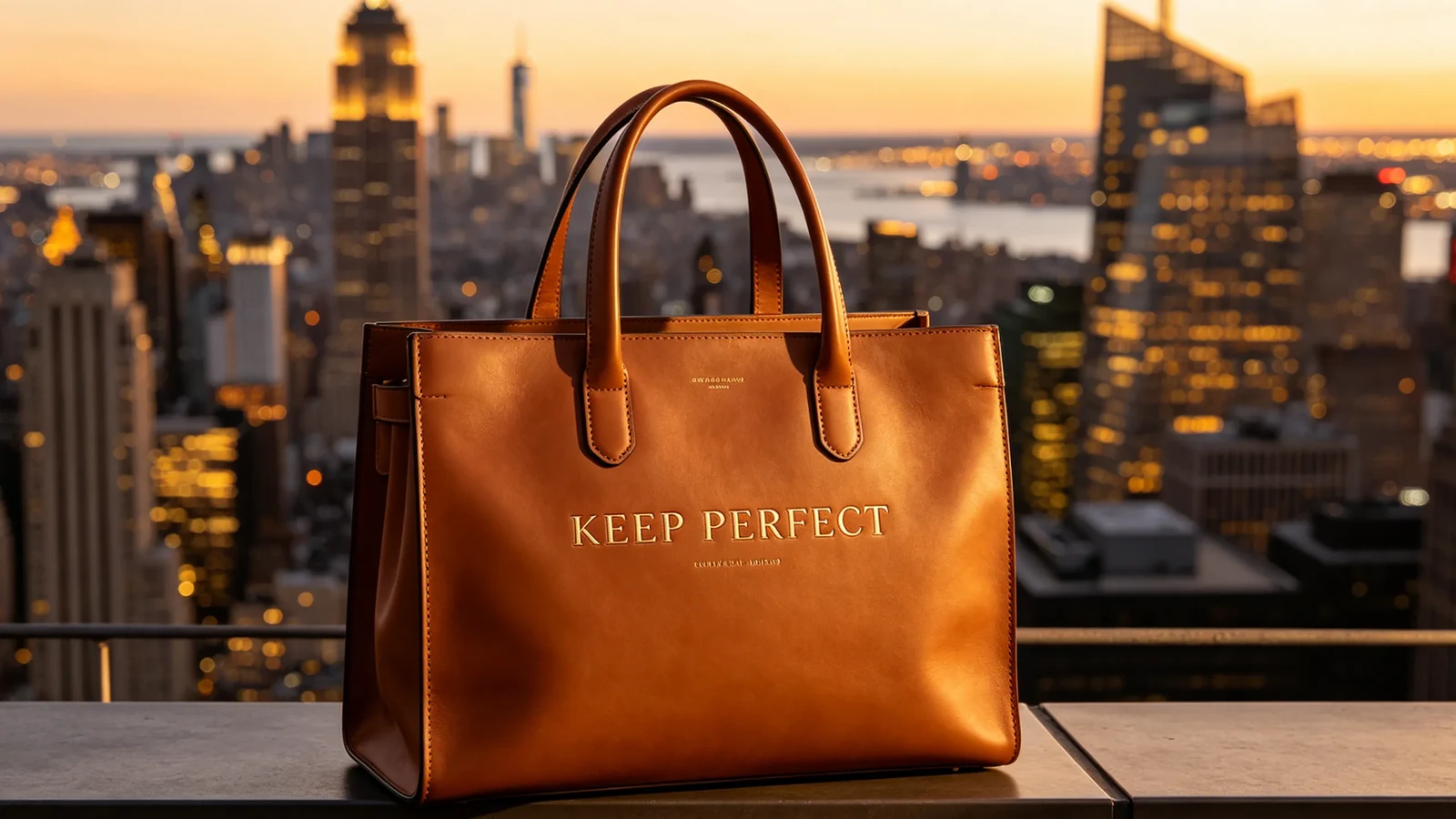
Three ideas behind the Journal
Luxury Craft, Timeless Bags. Crafted Leather, Modern Luxury. Premium Handbags & Custom Craftsmanship. These ideas shape the editorial voice of LuxCraft and help position the brand as a more thoughtful B2B partner.
Long-form buying guides for luxury-facing private label handbag sourcing
How to Position Oversized Shopper Bags for Japanese Design-led Boutiques Without Looking Mass-Market
A long-form editorial guide for Japanese design-led boutiques exploring how oversized shopper bags in soft grain vegan leather can help them prepare a capsule collection for wholesale without weakening the upmarket signal buyers expect in the United States. It connects product taste with development discipline so the final result feels more like a curated collection than a generic supply project. The writing stays close to the actual decisions that affect sampling, quality drift, and buyer confidence.
Material StrategyInside the Decisions Behind Heritage-style Satchels for Heritage-inspired Accessory Brands
An in-depth sourcing perspective on heritage-style satchels, written for heritage-inspired accessory brands who need to use soft grain vegan leather more intelligently in order to position a handbag collection at a higher retail tier and still read as elevated in the United Kingdom. It focuses on the material story, finish discipline, and factory-facing decisions that shape luxury-facing handbag programs.
Material StrategyBehind Soft Hobo Silhouettes for Multi-brand Retailers When Clarity Matters
The difference between a polished collection and a generic one is often decided long before bulk production begins. LuxCraft breaks down the development logic behind soft hobo silhouettes for multi-brand retailers, showing how suede-touch microfiber lining, structure, and selling context work together when the aim is to protect margin without looking mass-market. The goal is to make the path from concept to market-ready production more specific, more realistic, and more commercially useful.
Private Label DevelopmentWhat Private Label Buying Offices Should Know Before Developing Top-handle Satchels in Vegetable-tanned Leather With Better Market Fit
The gap between expensive-looking and genuinely refined is usually wider than buyers expect. A strategic development guide for private label buying offices planning top-handle satchels in vegetable-tanned leather, with a focus on finish quality, luxury positioning, and the practical decisions needed to reduce quality drift in bulk production. The emphasis is on the quieter details that influence buyer confidence: proportion, hand-feel, hardware tone, and commercial fit. The writing stays close to the actual decisions that affect sampling, quality drift, and buyer confidence.
Private Label DevelopmentHow Independent Luxury Boutiques Can Source Top-handle Satchels With Semi-aniline Leather for a More Considered Market
The difference between a polished collection and a generic one is often decided long before bulk production begins. A long-form editorial guide for independent luxury boutiques exploring how top-handle satchels in semi-aniline leather can help them prepare a capsule collection for wholesale without weakening the upmarket signal buyers expect in Scandinavia. It connects product taste with development discipline so the final result feels more like a curated collection than a generic supply project.
Quality ControlWhy Chain-detailed Shoulder Bags Still Matter for Japanese Design-led Boutiques Seeking Modern Luxury in Canada
The gap between expensive-looking and genuinely refined is usually wider than buyers expect. LuxCraft breaks down the development logic behind chain-detailed shoulder bags for Japanese design-led boutiques, showing how semi-aniline leather, structure, and selling context work together when the aim is to brief a factory more clearly. The goal is to make the path from concept to market-ready production more specific, more realistic, and more commercially useful. The aim is to help serious buyers move from vague inspiration to a cleaner, more commercially literate brief.
Quality ControlChoosing Full Genuine Leather for Oversized Shopper Bags: A Practical Guide for Travel Retail Buyers
The gap between expensive-looking and genuinely refined is usually wider than buyers expect. A long-form editorial guide for travel retail buyers exploring how oversized shopper bags in full genuine leather can help them reduce quality drift in bulk production without weakening the upmarket signal buyers expect in continental Europe. Rather than generic sourcing advice, it looks at the exact choices that move a handbag line closer to a credible inquiry.
Luxury PositioningA Buyer's Guide to Polished Bucket Bags for Multi-brand Retailers When Clarity Matters
This buyer-focused article examines how multi-brand retailers can develop polished bucket bags with suede-touch microfiber lining while keeping the end result commercially polished, tactically coherent, and relevant for the Gulf region. The goal is to make the path from concept to market-ready production more specific, more realistic, and more commercially useful. It is intended to read more like an informed editorial briefing than a standard sourcing summary.
Manufacturing ProcessInside the Decisions Behind Refined Evening Pouches for Australian Premium Lifestyle Brands
Not every elevated-looking bag is built on elevated decisions. LuxCraft breaks down the development logic behind refined evening pouches for Australian premium lifestyle brands, showing how soft grain vegan leather, structure, and selling context work together when the aim is to prepare a capsule collection for wholesale. The emphasis is on the quieter details that influence buyer confidence: proportion, hand-feel, hardware tone, and commercial fit.
Luxury PositioningHow to Position Premium Work Totes for Travel Retail Buyers Without Looking Mass-Market for The United Kingdom Buyers
The difference between a polished collection and a generic one is often decided long before bulk production begins. An in-depth sourcing perspective on premium work totes, written for travel retail buyers who need to use full genuine leather more intelligently in order to launch a more elevated private label line and still read as elevated in the United Kingdom. Rather than generic sourcing advice, it looks at the exact choices that move a handbag line closer to a credible inquiry.
Quality ControlThe Buyer's View on Building Giftable Leather Accessories in Top-grain Cowhide
The gap between expensive-looking and genuinely refined is usually wider than buyers expect. LuxCraft breaks down the development logic behind giftable leather accessories for independent luxury boutiques, showing how top-grain cowhide, structure, and selling context work together when the aim is to protect margin without looking mass-market. It focuses on the material story, finish discipline, and factory-facing decisions that shape luxury-facing handbag programs.
Wholesale PlanningWhere Middle Eastern Luxury Retailers Often Misread the Real Potential of Soft Hobo Silhouettes for a More Considered Market
An in-depth sourcing perspective on soft hobo silhouettes, written for Middle Eastern luxury retailers who need to use structured saffiano-style leather more intelligently in order to brief a factory more clearly and still read as elevated in Japan. The emphasis is on the quieter details that influence buyer confidence: proportion, hand-feel, hardware tone, and commercial fit. The result is a guide that speaks to commercial taste as much as it speaks to production logic.
Manufacturing ProcessA More Useful Way to Think About Elevated Crossbody Bags for Corporate Gifting Programs When Clarity Matters
A strategic development guide for corporate gifting programs planning elevated crossbody bags in soft grain vegan leather, with a focus on finish quality, luxury positioning, and the practical decisions needed to improve sample approval speed. The goal is to make the path from concept to market-ready production more specific, more realistic, and more commercially useful.
Wholesale PlanningHow Designer-founded Handbag Startups Can Source Small Leather Top-handle Styles With Top-grain Cowhide in The United States
A long-form editorial guide for designer-founded handbag startups exploring how small leather top-handle styles in top-grain cowhide can help them prepare a capsule collection for wholesale without weakening the upmarket signal buyers expect in the United States. It is written as a practical editorial resource for buyers who need a sharper brief before moving into sampling and bulk planning. The writing stays close to the actual decisions that affect sampling, quality drift, and buyer confidence.
Luxury PositioningA Buyer's Guide to Structured Tote Bags for Australian Premium Lifestyle Brands for Japan Buyers
Buyers rarely lose confidence because of one dramatic mistake; they lose it through a chain of smaller mismatches. For Australian premium lifestyle brands, this article maps out what it really takes to build structured tote bags in premium smooth PU that feel elevated, look commercially credible, and make sense for the realities of Japan. The emphasis is on the quieter details that influence buyer confidence: proportion, hand-feel, hardware tone, and commercial fit.
Private Label DevelopmentInside the Decisions Behind Premium Luggage-adjacent Handbags for Travel Retail Buyers for a More Considered Market
The difference between a polished collection and a generic one is often decided long before bulk production begins. An in-depth sourcing perspective on premium luggage-adjacent handbags, written for travel retail buyers who need to use split leather with refined finishing more intelligently in order to upgrade packaging for premium presentation and still read as elevated in Japan. Rather than generic sourcing advice, it looks at the exact choices that move a handbag line closer to a credible inquiry.
Wholesale PlanningWhat European Accessory Houses Should Know Before Developing Top-handle Satchels in Full Genuine Leather With Better Market Fit
This buyer-focused article examines how European accessory houses can develop top-handle satchels with full genuine leather while keeping the end result commercially polished, tactically coherent, and relevant for Canada. The goal is to make the path from concept to market-ready production more specific, more realistic, and more commercially useful. It treats manufacturing as part of brand positioning rather than a disconnected procurement step.
Luxury PositioningFrom Brief to Bulk: Planning Curved Underarm Bags for Regional Wholesale Distributors in Australia
A stronger handbag program usually begins with clearer judgment, not more decoration. For regional wholesale distributors, this article maps out what it really takes to build curved underarm bags in vegetable-tanned leather that feel elevated, look commercially credible, and make sense for the realities of Australia. It is written as a practical editorial resource for buyers who need a sharper brief before moving into sampling and bulk planning. The writing stays close to the actual decisions that affect sampling, quality drift, and buyer confidence.
Luxury PositioningHow to Position Structured Tote Bags for Specialty Leather Goods Brands Without Looking Mass-Market
A stronger handbag program usually begins with clearer judgment, not more decoration. A strategic development guide for specialty leather goods brands planning structured tote bags in top-grain cowhide, with a focus on finish quality, luxury positioning, and the practical decisions needed to choose the right leather story for modern luxury. Rather than generic sourcing advice, it looks at the exact choices that move a handbag line closer to a credible inquiry.
Manufacturing ProcessWhy Minimal Shoulder Bags Still Matter for Premium Department-store Buying Teams Seeking Modern Luxury
An in-depth sourcing perspective on minimal shoulder bags, written for premium department-store buying teams who need to use split leather with refined finishing more intelligently in order to prepare a capsule collection for wholesale and still read as elevated in Canada. The goal is to make the path from concept to market-ready production more specific, more realistic, and more commercially useful.
Private Label DevelopmentWhere Bridal And Occasion Retailers Often Misread the Real Potential of Resort Boutique Carryalls When Clarity Matters
Buyers rarely lose confidence because of one dramatic mistake; they lose it through a chain of smaller mismatches. LuxCraft breaks down the development logic behind resort boutique carryalls for bridal and occasion retailers, showing how split leather with refined finishing, structure, and selling context work together when the aim is to reduce quality drift in bulk production. It focuses on the material story, finish discipline, and factory-facing decisions that shape luxury-facing handbag programs.
Wholesale PlanningThe Buyer's View on Building Boxy City Bags in Split Leather With Refined Finishing for Continental Europe Buyers
An in-depth sourcing perspective on boxy city bags, written for Australian premium lifestyle brands who need to use split leather with refined finishing more intelligently in order to position a handbag collection at a higher retail tier and still read as elevated in continental Europe. It is written as a practical editorial resource for buyers who need a sharper brief before moving into sampling and bulk planning. It treats manufacturing as part of brand positioning rather than a disconnected procurement step.
Material StrategyChoosing Top-grain Cowhide for Elevated Crossbody Bags: A Practical Guide for Scandinavian Minimalist Labels With Better Market Fit
For Scandinavian minimalist labels, this article maps out what it really takes to build elevated crossbody bags in top-grain cowhide that feel elevated, look commercially credible, and make sense for the realities of Japan. It focuses on the material story, finish discipline, and factory-facing decisions that shape luxury-facing handbag programs.
Quality ControlHow Travel Retail Buyers Can Source Giftable Leather Accessories With Vegetable-tanned Leather for a More Considered Market
A stronger handbag program usually begins with clearer judgment, not more decoration. An in-depth sourcing perspective on giftable leather accessories, written for travel retail buyers who need to use vegetable-tanned leather more intelligently in order to protect margin without looking mass-market and still read as elevated in continental Europe. It focuses on the material story, finish discipline, and factory-facing decisions that shape luxury-facing handbag programs. It is intended to read more like an informed editorial briefing than a standard sourcing summary.