How Designer-founded Handbag Startups Can Source Small Leather Top-handle Styles With Top-grain Cowhide in The United States
A long-form editorial guide for designer-founded handbag startups exploring how small leather top-handle styles in top-grain cowhide can help them prepare a capsule collection for wholesale without weakening the upmarket signal buyers expect in the United States. It is written as a practical editorial resource for buyers who need a sharper brief before moving into sampling and bulk planning. The writing stays close to the actual decisions that affect sampling, quality drift, and buyer confidence.
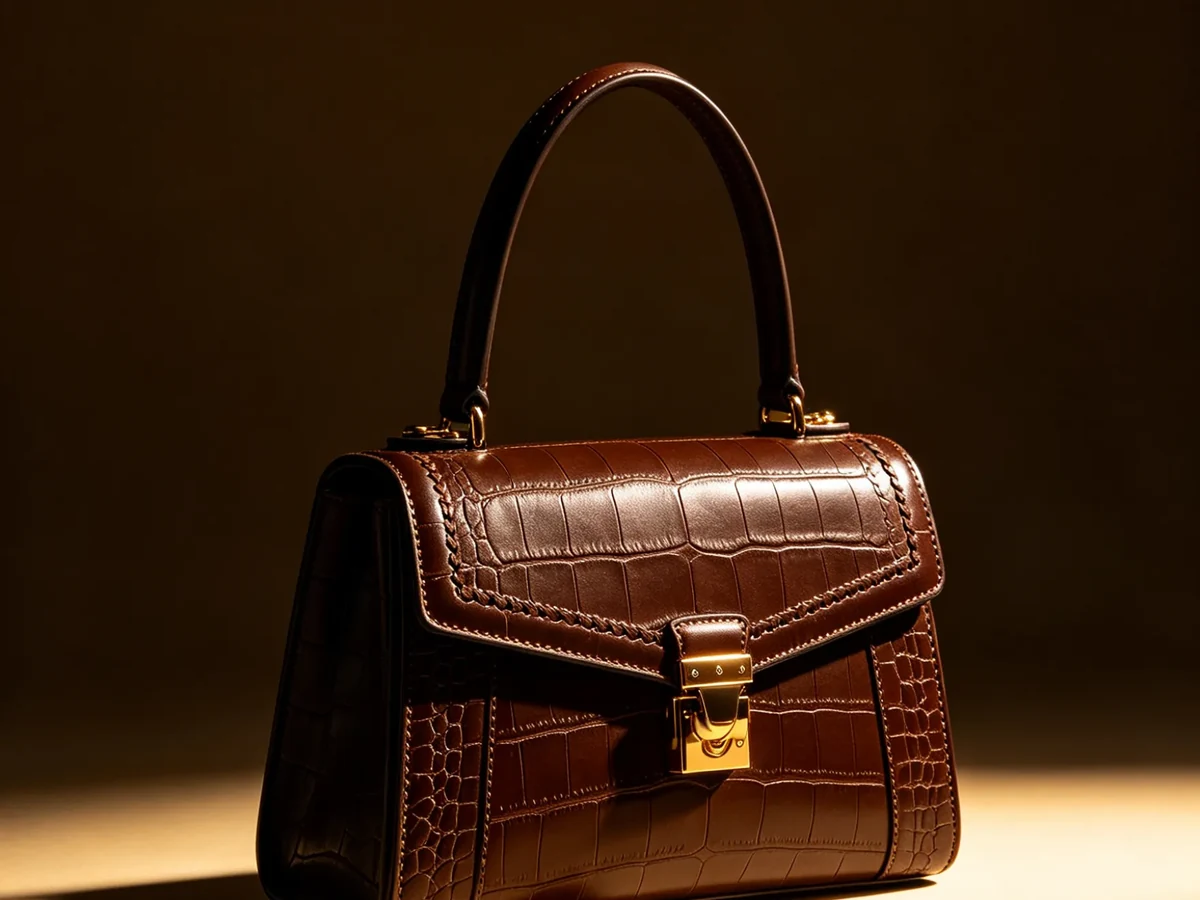
When designer-founded handbag startups review a new handbag program, they are not only reviewing a design. They are measuring whether shape, touch, finish, and market reading align well enough for the product to feel commercially credible at a higher level. The moment small leather top-handle styles are expected to prepare a capsule collection for wholesale, the conversation stops being about a single sample and starts being about whether the whole program can hold together across production, merchandising, and reorder cycles. That is exactly why LuxCraft approaches development with a more editorial manufacturing mindset: the bag has to make aesthetic sense, operational sense, and retail sense at the same time.
In the United States, the conversation around top-grain cowhide goes beyond availability. Buyers are usually testing whether it can support the finish control, tactile quality, and visual restraint needed for a more elevated handbag line. Poor execution turns a strong idea into something generic very quickly, while disciplined execution can make a quieter design feel unmistakably refined. This article explains how LuxCraft thinks about that gap and how serious B2B buyers can use the same lens when planning a handbag program.
Retail Context Should Shape More of the Product Than Buyers Realize
A bag does not sell in abstraction. It sells in a specific channel, against a specific competitive set, and under a specific type of scrutiny. That means the same silhouette may need different development priorities depending on how the product will be encountered.
- Boutique environments reward finish detail, tactile calm, and a more selective presentation
- Digital channels increase the importance of lighting response, silhouette clarity, and photo consistency
- Wholesale environments place added pressure on repeatability, packaging efficiency, and assortment logic
That is why LuxCraft asks designer-founded handbag startups where the product will actually live before recommending the final mix of structure, trim, packaging, and finish emphasis.
Buyer's lens: A calmer handbag often signals a more disciplined development process behind it.
Why Silhouette Discipline Matters More Than Trend Alone
Many bags appear desirable in flat references but lose their authority in person because the proportions do not hold. With small leather top-handle styles, structure, balance, and the relationship between body, handle, strap, gusset, and opening shape all determine whether the design feels expensive or merely familiar. In higher-end segments, even a beautiful idea can become visually noisy if the handle drop is misjudged, the body collapses unevenly, or the opening hardware distorts the intended line.
For designer-founded handbag startups, the bag also has to function inside a buyer journey. A store owner may need the silhouette to hold its posture on shelf, a digital brand may need it to photograph cleanly from every angle, and a wholesale distributor may need it to survive transit while still looking composed when unpacked. That is why LuxCraft works on silhouette behavior as a commercial issue, not only as a pattern-making issue.
How to Know the Project Is Ready for a Real Factory Conversation
A project is usually ready for a serious manufacturing conversation when the buyer can describe the desired retail reading with more precision than 'premium' or 'luxury.' That means knowing which references feel right, which details must remain edited, how the product should be sold, and where the cost boundaries begin to matter. Those signals allow the factory to respond with judgment instead of generic availability.
For designer-founded handbag startups, that readiness can be expressed through a clear assortment idea, a sharper understanding of why top-grain cowhide is being considered, or a more explicit sense of how the product needs to behave in the United States. Once that clarity exists, LuxCraft can usually turn the discussion into a more useful pathway covering material direction, sampling priorities, likely risk points, and the most realistic path toward a commercially convincing launch.
What Buyers in the United States Often Notice First
While luxury principles travel globally, local buying environments still shape what gets judged first. In the United States, texture response, finish moderation, hardware tone preference, and silhouette restraint can carry slightly different emotional weight depending on store culture, customer expectations, and prevailing fashion language. That does not mean every program needs hyper-local customization, but it does mean that a generic one-size-fits-all brief usually misses opportunities.
A supplier who understands this nuance can help a buyer protect brand relevance. Sometimes that means choosing a quieter metal finish, toning down visible branding, simplifying the edge appearance, refining the lining story, or adjusting the structure so the product feels more aligned with a particular market's taste profile. These adjustments are subtle, but subtlety is often exactly where stronger market positioning is won.
Quality Questions Worth Raising Before Production Starts
Premium B2B buying becomes easier when the quality conversation happens at the beginning rather than after the quote. Many issues that appear later as 'factory quality problems' are really the result of unclear expectations that were never translated into measurable checkpoints. A stronger supplier relationship begins when both sides define what a higher-end result means in operational terms.
Because designer-founded handbag startups often work with a sharper level of visual expectation, LuxCraft recommends aligning on failure modes before production starts. Edge inconsistency, soft structure, interior untidiness, logo misplacement, tone mismatch, and poor transit protection are not equal problems in every product, but they should all be weighted according to the design and channel.
- Which visual and tactile defects are considered most serious for this specific bag family?
- How is the approved sample translated into a production baseline?
- What in-line checks happen before the final inspection stage?
- How is hardware tone protected between sourcing and final assembly?
- How is pack-out handled to avoid deformation during transit?
Buyer's lens: A calmer handbag often signals a more disciplined development process behind it.
Why Product Direction Should Follow Buyer Positioning
The most common mistake in private label handbag development is to start with a style reference before clarifying the actual market position. For designer-founded handbag startups, the question is not just whether a small leather top-handle styles is attractive; it is whether the final product reads correctly at a target retail range of roughly USD 120-180. That difference changes everything from leather thickness to lining behavior, edge paint sheen, zipper gauge, logo tone, protective packaging, and even how much structure the silhouette should hold once filled with everyday use items.
High-end buyers often carry a very specific visual vocabulary in their heads. They may describe it as clean, polished, quiet, modern, heritage, architectural, or feminine, but those words only become useful when translated into real production decisions. At LuxCraft, we translate that vocabulary into material selections, construction notes, and finishing priorities that serve the commercial identity of the program rather than forcing the buyer into a generic factory menu.
When the goal is to prepare a capsule collection for wholesale, it is especially important to map the product against the eventual point of sale. A handbag sold in a refined boutique, a curated department store corner, or a sophisticated digital storefront must withstand a more judgmental kind of comparison than a purely commodity-driven market. That means proportion, restraint, and detail quality become part of the sales argument, not merely aesthetic bonuses.
Making the Brand Visible Without Making the Product Busy
Handbag branding works best when it feels native to the object. That usually means scale, placement, contrast, and hardware tone are handled with more restraint than many first-time private label buyers expect. The strongest impression often comes from coherence rather than visibility alone.
For designer-founded handbag startups, the right branding move may be a smaller metal signature, a quieter deboss, or a more edited logo location that allows the proportion of the small leather top-handle styles to remain calm. This is often where a product shifts from obviously branded to genuinely composed.
Building Reorder Confidence Into the Program From Day One
A strong product that cannot be repeated cleanly creates its own commercial risk. Buyers often focus so intensely on launch quality that they forget to ask whether the supplier can hold the same visual identity across later batches. That is especially relevant when the goal is to prepare a capsule collection for wholesale, because repeatability is often the real test of whether the program has substance.
LuxCraft prefers to define baseline materials, metal references, finish tolerances, and protective packing logic early, so the first order already functions like the beginning of a stable program rather than a one-off success.
Bags Are Judged in Photos Before They Are Touched
Many small leather top-handle styles are first judged in imagery rather than in hand. That means the line of the bag, the way the surface handles light, and the cleanliness of edges all influence perceived quality before a buyer or end customer ever touches the product. A silhouette that looks calm in person but collapses under studio lighting can still weaken the whole launch.
For designer-founded handbag startups, photography readiness should therefore be part of development logic. Materials, hardware, filling, structure, and opening shape should all be reviewed with digital merchandising in mind, especially if the collection has to survive comparison against more established brands.
Cost Architecture for Buyers Who Refuse to Look Mass-Market
If the desired retail positioning sits around USD 120-180, cost planning has to protect the emotional value of the bag instead of just chasing the lowest possible FOB. Premium buyers tend to lose more money from products that read cheaper than intended than from products that were engineered carefully from the start. In other words, cost architecture should support the product story rather than hollow it out.
The best cost decisions are selective, not blunt. Some elements can be simplified without harming the experience, while others should be protected because buyers and end customers notice them immediately. LuxCraft typically guides clients toward the areas where refinement truly pays off and away from decorative additions that inflate complexity without lifting perceived value.
| Decision Area | Why It Matters |
|---|---|
| Material decision | Changes the first impression, durability profile, and margin room |
| Hardware package | Affects visual authority, weight, and perceived precision |
| Interior finish | Often influences perceived quality more than buyers expect |
| Packaging level | Shapes unboxing, transit protection, and retail readiness |
Building a Better Brief Before You Ask for a Quote
A supplier can only respond intelligently to the information that exists in the brief. When the materials are vague, the quote becomes vague. When the visual language is mixed, the sample becomes mixed. Handbag development becomes easier the moment the buyer sends a packet that reflects judgment rather than guesswork. For designer-founded handbag startups, that matters because small leather top-handle styles usually succeed or fail on edited decisions, not on generic availability.
- One to three visual references that show silhouette, hardware mood, and finish direction
- A realistic target retail range around USD 120-180
- Notes on which details are non-negotiable and which ones are open to refinement
- A clear explanation of how and where the product will actually be sold
A better brief does not mean a longer brief. It means a more selective one, where the supplier can see the intended tone, channel, and decision priorities early enough to respond with real structure.
What Sampling Should Clarify Before You Commit to Bulk
A serious sample is not just a visual prototype; it is a decision document in physical form. It shows where the product is strong, where the proportions still need tuning, and which details are likely to become quality complaints if they are ignored until bulk production. For programs involving small leather top-handle styles, sampling should answer structural, tactile, and branding questions at the same time.
LuxCraft encourages feedback that goes beyond 'looks good' or 'make it feel more elevated.' Useful comments identify where the bag should feel firmer, where the edge finish should look finer, whether the lining texture supports the intended price level, and whether the hardware tone feels aligned with the collection as a whole. That type of feedback shortens revisions because it turns taste into technical guidance.
When a sample is reviewed correctly, the later production stage becomes more stable. The goal is not to avoid iteration completely; it is to make each iteration more intelligent so the final approved unit becomes a trustworthy baseline rather than a temporary compromise.
Hardware, Logo Tone, and the Quiet Signals of Luxury
Hardware is one of the fastest ways a handbag reveals its true level. Buyers may not always articulate why a bag feels more elevated, but they almost always respond to the subtle effect of balanced metal tone, clean attachment points, quiet zipper action, and branding that feels integrated rather than pasted on. In the case of small leather top-handle styles, hardware often carries visual weight that can either refine the form or make it feel overworked.
A disciplined program locks hardware references early. Tone drift between samples and bulk orders is one of the most damaging mistakes in higher-end private label work because it weakens trust immediately. LuxCraft therefore treats zipper heads, logo plates, rings, buckles, magnetic closures, and decorative trim as part of the brand identity package. This is particularly important when the design language relies on restraint. The quieter the bag looks, the more every metal detail matters.
Thinking Beyond the First Style: Assortment Architecture for Selective Buyers
A single style rarely exists in isolation for long. If small leather top-handle styles are successful, the next question becomes whether the silhouette can sit beside adjacent products without disrupting the overall line architecture of the brand. That is why LuxCraft tends to ask what the future assortment might look like, even when the initial order is focused on one hero item.
This affects color planning, hardware consistency, lining choices, and how much visual room the brand leaves for later expansion. Strong collections feel more convincing when the first style already looks like it belongs to a disciplined family rather than an isolated experiment.
Buyer Questions That Usually Surface During Development
Is top-grain cowhide suitable for a truly elevated-looking line?
It can be, but only when the finish level, structure, lining, and hardware are treated as one system rather than isolated choices. Material name alone does not create a convincing result.
How many rounds of sampling are normal for small leather top-handle styles?
That depends on complexity and how clear the initial brief is. Many higher-end programs move through one to three meaningful iterations when feedback is precise and commercially grounded.
Should packaging be decided early or late?
Early. Packaging affects shape retention, perceived value, and transit performance, so leaving it to the end often creates avoidable compromises.
What makes a supplier suitable for higher-end B2B work?
The ability to translate taste into process, identify risk before production, and speak clearly about finish, consistency, and commercial fit.
What a Strong Next Step Looks Like
If you are planning small leather top-handle styles for designer-founded handbag startups, the strongest next step is not to request a vague quote. It is to send one to three references, describe your intended retail range, explain where the bag will be sold, and highlight the details you consider non-negotiable. That gives LuxCraft enough context to recommend a realistic material path, construction logic, and sampling strategy.
Luxury-level B2B sourcing becomes easier when the product story, cost logic, and manufacturing process are aligned from the start. The best handbag programs look calm because the development behind them was clear, edited, and commercially grounded. That is the space LuxCraft is designed to serve.
What Better Buyer-Manufacturer Collaboration Looks Like
High-end handbag development usually improves when both sides treat the process like a shared editing exercise instead of a one-way instruction chain. Buyers bring brand judgment, commercial targets, and reference cues; the manufacturer brings technical translation, risk forecasting, and finish discipline.
The more clearly those roles are defined, the less likely the project is to drift into vague revisions, generic substitutions, or decorative overcompensation. LuxCraft works best when collaboration is precise, selective, and grounded in the actual selling objective.